How to Streamline Vendor Management for Efficient Property Management


Understanding the Importance of Vendor Management
Efficient vendor management is crucial for successful property management. It involves overseeing suppliers, contractors, and service providers to ensure they meet the property’s needs effectively. By streamlining this process, property managers can improve service delivery, reduce costs, and enhance tenant satisfaction.

Centralize Vendor Information
One of the first steps in streamlining vendor management is to centralize all vendor information. This can be achieved by using a digital platform or software dedicated to vendor management. Keeping all details in one place allows for easy access and reduces the time spent searching for information.
Ensure that the platform is updated regularly with vendor contracts, contact details, and service histories. This not only helps in maintaining transparency but also facilitates better decision-making when selecting vendors for specific tasks.
Leverage Technology
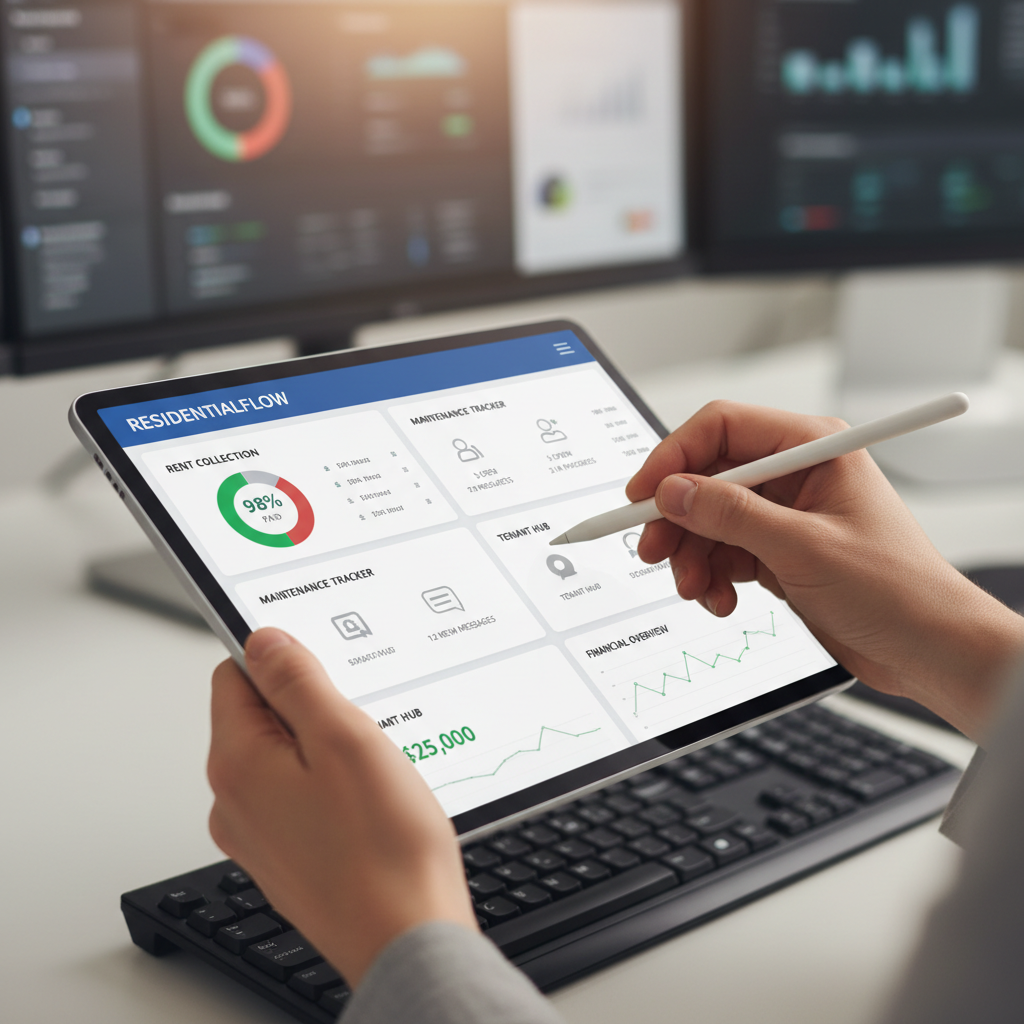
Technology plays a pivotal role in modernizing vendor management. Implementing property management software can automate many administrative tasks, such as invoicing, scheduling, and communication. This automation can significantly reduce manual errors and save time.
Develop Strong Relationships with Vendors
Building strong relationships with vendors is essential for long-term success. Regular communication and feedback can help in understanding vendor capabilities and limitations. Establishing trust ensures that vendors are more likely to prioritize your property’s needs and provide competitive pricing.
Conducting regular evaluations and reviews with vendors can also contribute to maintaining high standards of service. Feedback sessions can help in addressing any issues promptly and fostering a collaborative environment.
Implement Performance Metrics
To effectively manage vendors, it is vital to implement performance metrics. These metrics should focus on service quality, timeliness, compliance with contracts, and cost-effectiveness. By measuring these aspects, property managers can ensure that vendors meet the required standards.

Streamline Communication
Efficient communication is key to successful vendor management. Establish clear channels of communication and set expectations regarding response times and modes of communication. This can prevent misunderstandings and ensure that issues are addressed quickly.
Regular meetings or calls with vendors can also help in keeping everyone aligned with the property’s goals and expectations. This proactive approach can prevent potential problems and improve overall efficiency.
Negotiate Favorable Contracts
Negotiating favorable contracts is an important aspect of vendor management. Ensure that contracts are clear, concise, and include all necessary details regarding services, pricing, and timelines. Well-negotiated contracts can safeguard the property’s interests and prevent future disputes.
Review contracts periodically to ensure they remain relevant and make adjustments as necessary to reflect any changes in the property’s needs or market conditions.