How to Streamline Vendor Processes for Rental Properties: A Complete Guide


Understanding the Importance of Vendor Management
Managing vendors effectively is crucial for rental property owners and managers. Streamlining vendor processes can lead to significant cost savings, increased efficiency, and improved tenant satisfaction. By optimizing these processes, property managers can ensure that maintenance and other services are delivered promptly and professionally.

Effective vendor management involves more than just hiring the right people for the job. It requires a strategic approach to coordinating tasks, ensuring quality, and maintaining good relationships with service providers. Let's explore some methods to streamline these processes.
Establish Clear Communication Channels
One of the first steps in streamlining vendor processes is to establish clear communication channels. This ensures that all parties are on the same page and that expectations are understood. Consider using digital tools such as property management software to facilitate communication between vendors, tenants, and property managers.
Consistent and open communication helps prevent misunderstandings and delays. Regular check-ins and updates can also help keep everyone informed about the status of ongoing projects and upcoming needs.
Implement a Vendor Selection Process
Having a structured vendor selection process is essential for choosing the right partners. Start by identifying your specific needs and creating a list of criteria that potential vendors must meet. This might include factors like experience, pricing, availability, and reputation.
Once you've identified potential vendors, conduct thorough evaluations. This can involve reviewing references, conducting interviews, and even visiting current job sites. A systematic approach to vendor selection can help ensure that you choose reliable and competent partners.
Utilize Technology for Efficiency
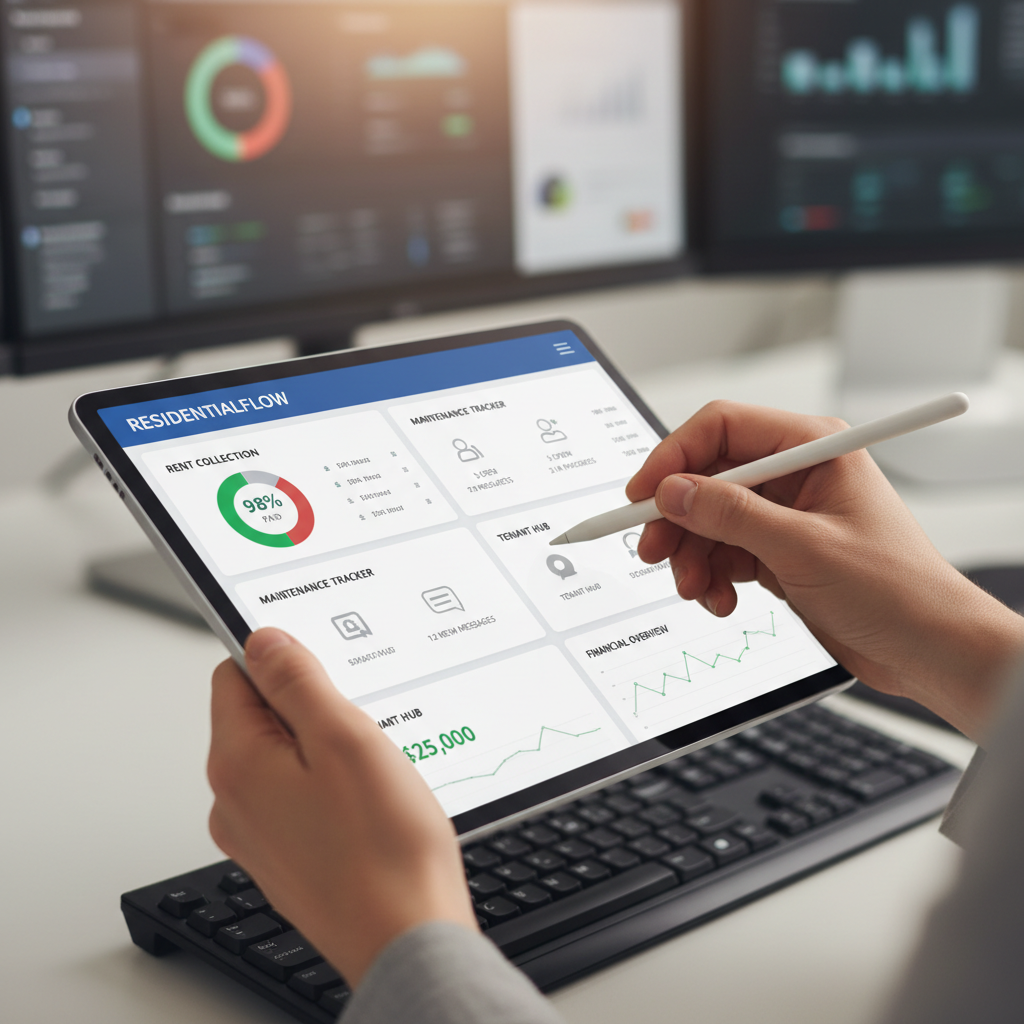
Technology plays a vital role in streamlining vendor processes. Property management software can automate many tasks, such as scheduling maintenance, tracking vendor performance, and processing payments. These tools can save time and reduce the risk of errors.
Additionally, using a centralized platform for all vendor-related activities ensures that information is easily accessible and up-to-date. This can enhance collaboration and decision-making, leading to more efficient operations.
Establish Contracts and Agreements
Clear contracts and agreements are fundamental in vendor management. These documents should outline the scope of work, pricing, timelines, and any specific terms and conditions. Having everything in writing helps prevent disputes and ensures that both parties understand their responsibilities.
Regularly reviewing and updating these agreements can also help maintain positive relationships with vendors. It's essential to address any changes in needs or expectations promptly to avoid misunderstandings.
Monitor Performance and Provide Feedback
Regular monitoring of vendor performance is necessary to ensure that standards are being met. Set up key performance indicators (KPIs) to measure aspects like quality of work, punctuality, and responsiveness.

Providing constructive feedback based on these metrics can help vendors improve their services. Open communication about performance helps build trust and encourages a collaborative approach to problem-solving.
Foster Long-Term Relationships
Building long-term relationships with vendors can lead to better service and more favorable terms. Loyalty and trust often result in vendors going the extra mile to ensure satisfaction. Consider engaging in regular meetings and discussions to nurture these relationships.
By investing time in developing strong partnerships, property managers can create a network of reliable vendors who are committed to the success of the properties they manage.